Gutenberg’s Next Phase: What 2026 Core Updates Mean for Your Business
Table of Contents
- The Architecture of Progress in 2026
- Phase 3 and the Collaboration Revolution
- The Strategic Shift from Page Builders to Native Blocks
- Native Multilingual Support and Phase 4 Foundations
- Technical Innovations: Block Bindings and the Interactivity API
- AI Integration and the Abilities API
- Security and Performance: The New Baseline
- Maintenance Economics for the Modern Web
- Mobile-First and the Data Liberation Project
- Navigating the Future with Tool1.app
- Show all
The digital landscape is undergoing a fundamental transformation as we approach the mid-point of the decade. For organizations that rely on a robust web presence, the upcoming WordPress core updates 2026 represent more than just incremental improvements; they signal a paradigm shift in how digital products are built, managed, and scaled. As WordPress transitions into the mature stages of its Gutenberg roadmap, the platform is shedding its identity as a simple content management system to become a sophisticated business application framework. At Tool1.app, we specialize in navigating these technical evolutions, ensuring that our clients are not merely keeping pace but are leading the charge in digital innovation.
The strategic importance of these updates cannot be overstated. In 2026, the convergence of real-time collaboration, native artificial intelligence, and deep-level performance optimizations will redefine the standard for enterprise-grade web development. For a business owner, these updates translate to lower technical debt, reduced reliance on fragile third-party plugins, and a more streamlined editorial workflow. The goal is to create a “future-proof” environment where the core software handles the heavy lifting of performance and security, allowing businesses to focus on growth and user experience.
The Architecture of Progress in 2026
The year 2026 marks a return to a high-velocity release cadence for the WordPress project. Following a period of structural consolidation, the community has proposed three major releases, each strategically aligned with global events to maximize impact and adoption. This predictable heartbeat is essential for agencies like Tool1.app to plan complex migrations and feature rollouts for our clients.
| Version | Target Release Date | Strategic Event | Primary Technical Focus |
| WordPress 7.0 | April 9, 2026 | WordCamp Asia | Real-time Collaboration & Admin UI Refresh |
| WordPress 7.1 | August 19, 2026 | WordCamp US | Workflow APIs & Advanced Block Bindings |
| WordPress 7.2 | December 10, 2026 | State of the Word | Native Multilingual Foundations |
This roadmap is built upon the completion of Phase 1 (Easier Editing) and Phase 2 (Customization), which have already established the block-based paradigm as the standard for web creation. The focus now shifts to the human element—how teams interact with content—and the global element—how that content reaches diverse audiences across borders.
Phase 3 and the Collaboration Revolution
The most immediate impact for business teams in 2026 will be the debut of Phase 3 features within WordPress 7.0. Historically, WordPress has been a “solo” experience; if two editors attempted to work on the same page, one would be locked out to prevent version conflicts. This inefficiency often forced teams to move their creative process into external tools like Google Docs, only moving to WordPress for final publishing.
The WordPress core updates 2026 change this dynamic by introducing native, real-time co-editing. This system utilizes WebSocket connections and operational transformation algorithms to allow multiple users to edit the same block simultaneously without data loss. For an enterprise marketing department, this means that a copywriter, an SEO specialist, and a graphic designer can work on a landing page in tandem, seeing each other’s changes and cursors in real time.
Advanced Editorial Workflows and Notes
Beyond mere co-editing, Phase 3 introduces a sophisticated “Notes” system. This is an evolution of the traditional commenting feature, moving it directly into the block editor. Users can highlight specific fragments of text to leave contextual feedback, @mention colleagues to trigger notifications, and even enter a “Suggestions Mode” where proposed edits can be accepted or rejected with a single click.
For organizations with complex approval hierarchies, this centralized workflow eliminates the “email chain” nightmare. At Tool1.app, we integrate these native features into custom business logic, ensuring that your publishing pipeline is as efficient as possible. By keeping the entire creative process within the WordPress environment, businesses maintain better data security and a cleaner audit trail of content changes.
The Strategic Shift from Page Builders to Native Blocks
One of the most significant trends identified for 2026 is the declining necessity of heavy third-party page builders. While tools like Elementor and Divi played a crucial role in the early days of visual editing, they often come at a cost to performance and long-term stability. The 2026 core updates have reached a point where native blocks can replicate nearly all the layout flexibility of these builders with a fraction of the code weight.
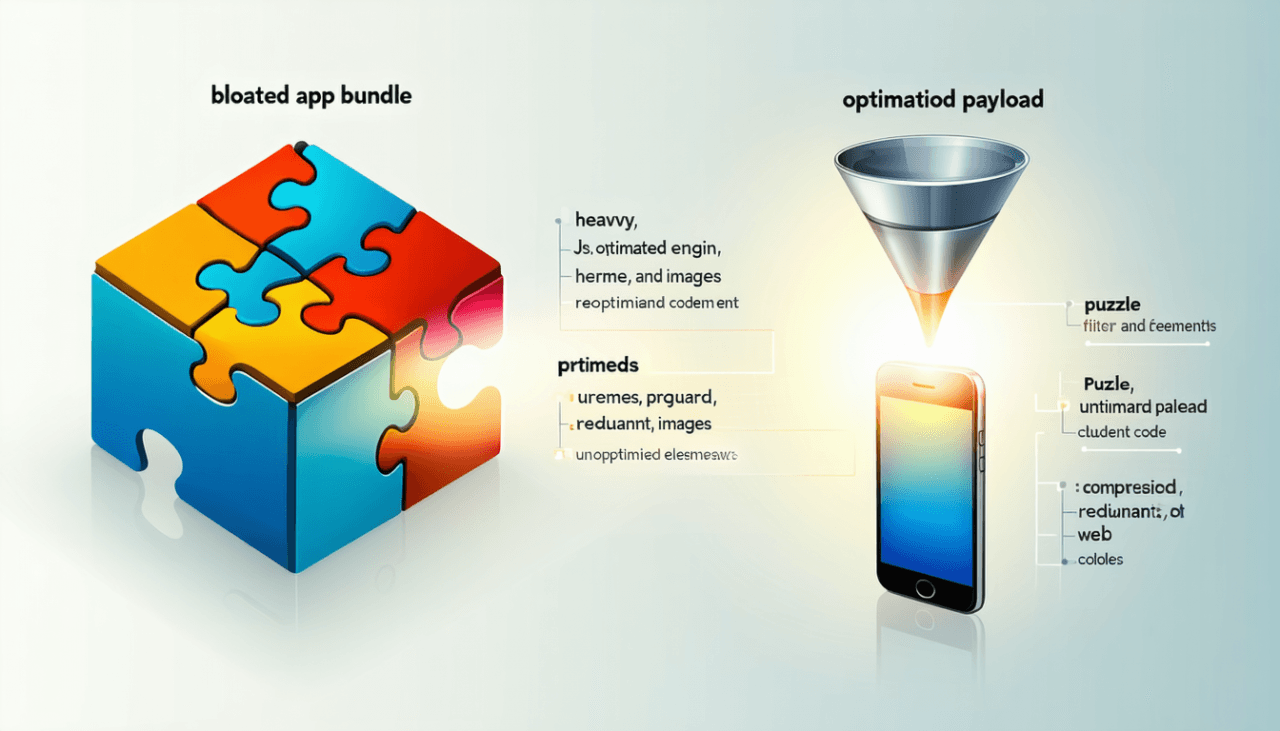
The primary disadvantage of external builders is “asset bloat.” These plugins often load entire libraries of CSS and JavaScript on every page, regardless of whether a feature is in use. In contrast, a site built by Tool1.app using the native block editor and customized patterns only loads the specific assets required for the blocks on that page. This “lean” architecture is vital for passing Google’s Core Web Vitals, specifically the Interaction to Next Paint (INP) metric, which has become a primary ranking factor in 2026.
| Performance Metric | Native Block Theme | Traditional Page Builder | Business Impact |
| First Contentful Paint | < 1.0s | 1.8s – 2.5s | Lower bounce rates |
| Total Blocking Time | < 100ms | 300ms – 600ms | Improved interactivity |
| DOM Size | ~400 nodes | 1,200+ nodes | Faster mobile rendering |
| Maintenance Risk | Low (Native) | High (Plugin lock-in) | Lower long-term costs |
As businesses look to scale, the focus shifts to “Standardized Design Systems.” Instead of allowing editors to reinvent the wheel on every page, smart teams are using native Block Patterns—pre-approved, brand-consistent sections for heroes, testimonials, and FAQs. This ensures that as the WordPress core evolves, your site remains compatible and performant without the need for expensive, time-consuming redesigns every few years.
Native Multilingual Support and Phase 4 Foundations
While Phase 3 dominates the first half of 2026, the groundwork for Phase 4 (Multilingual) represents the next frontier for global commerce. Currently, making a site multilingual requires complex plugins that duplicate content and create heavy database structures. The WordPress core updates 2026 aim to make translation a core function of the database itself.
The goal of Phase 4 is to provide a unified interface for managing different language versions of a site as a single entity rather than disconnected copies. For a business expanding into European markets, this means the ability to translate content—potentially aided by native AI integrations—in seconds, while maintaining perfectly synced SEO metadata across all regions. This native approach will drastically reduce the risk of site breakage during updates, a common issue with traditional translation plugins.
Technical Innovations: Block Bindings and the Interactivity API
For the technical leads and developers reading this, the real power of 2026 lies in the maturation of the Block Bindings API and the Interactivity API. These tools allow a software development agency like Tool1.app to build dynamic, app-like experiences within the standard WordPress framework.
The Block Bindings API
The Block Bindings API allows us to connect standard blocks (like paragraphs, headings, or images) to dynamic data sources without creating custom blocks from scratch. This decouples the visual presentation from the data logic. Imagine a real estate site where the “Price” and “Availability” are stored in a central database or custom fields. With Block Bindings, we can bind a simple paragraph block to that “Price” field. When the price is updated in the backend, every instance of that block across the entire site updates instantly.
PHP


// Registering a custom field for use with Block Bindings in WordPress 7.0
register_post_meta( 'listing', 'tool1_property_price', array(
    'show_in_rest' => true,
    'single'       => true,
    'type'         => 'string',
    'sanitize_callback' => 'wp_strip_all_tags'
) );
This approach allows for a “headless-lite” experience where the editor remains intuitive for non-technical users, but the underlying architecture is as powerful as a dedicated web application.
The Interactivity API
The Interactivity API is the solution to the “static web” problem. In 2026, users expect websites to feel like apps—smooth transitions, instant feedback, and no jarring page reloads. This API provides a standard way for developers to add frontend interactivity (like “add to cart” buttons, live searches, or dynamic filters) using a lightweight, performant framework that is built directly into WordPress. By using these native tools, Tool1.app ensures that your site remains fast and accessible, avoiding the performance pitfalls of heavy external JavaScript libraries.
AI Integration and the Abilities API
Artificial Intelligence is no longer an experimental add-on; it is being woven into the fabric of the WordPress admin experience. The central pillar of this integration in 2026 is the “Abilities API”. This framework acts as a bridge, allowing WordPress to communicate with various AI models (like OpenAI, Anthropic, or custom local models) through a standardized interface.
For the business owner, this means your dashboard becomes an intelligent assistant. AI-driven tools can now:
- Suggest the most effective block layouts based on the content you are writing.
- Automatically generate SEO-optimized alt text for images to ensure accessibility compliance.
- Analyze your site’s traffic patterns and suggest content topics that are likely to convert.
- Flag potential UI/UX bottlenecks in your sales funnels before they impact your revenue.
At Tool1.app, we specialize in building these AI-driven automations. Whether it is a custom Python-based automation that syncs your WordPress content with your CRM or an LLM-powered chatbot that handles customer queries directly from your site, we leverage the 2026 core features to drive business efficiency.
Security and Performance: The New Baseline
In 2026, “fast” and “secure” are the minimum requirements. The WordPress core updates 2026 have introduced “Speculative Loading,” which uses AI to predict which link a visitor is most likely to click and pre-fetches those assets in the background. To the user, the site feels like it is loading instantly.
Furthermore, WordPress 7.0 officially drops support for PHP versions older than 7.4, with a strong recommendation for PHP 8.1+. This technical debt clearance is essential for both security and speed. By modernizing the foundation, WordPress can process complex database queries much faster, which is critical for high-traffic e-commerce stores and membership sites.
Security has also become more automated. Core updates now include expanded security scanning that monitors the health of your site in real-time, reducing the need for multiple heavy security plugins that often slow down the administration experience.
Maintenance Economics for the Modern Web
As the platform becomes more sophisticated, the approach to maintenance must also evolve. In 2026, “maintenance” is not just about clicking the update button; it is about performance tuning, security hardening, and strategic feature adoption. For a professional business site, the costs are structured around the complexity and mission-critical nature of the digital asset.
| Service Tier | Description | Monthly Estimate (€) |
| Starter Care | Core/Theme/Plugin updates, daily off-site backups, basic security monitoring. | €70 – €140 |
| Business Growth | Above + performance optimization, database cleaning, and dedicated support hours. | €140 – €325 |
| Enterprise Managed | Priority 24/7 monitoring, staging environment management, and custom feature development. | €325 – €950 |
| Custom Agency Partnership | Full-stack management for high-traffic applications, custom API integrations, and AI automation. | €950 – €2,300+ |
At Tool1.app, we emphasize that these costs are an investment in “Digital Resilience.” A site that is properly maintained according to 2026 standards has a much lower Total Cost of Ownership (TCO) because it avoids the “rebuild cycle” that occurs when technical debt becomes unmanageable.
Mobile-First and the Data Liberation Project
The final pieces of the 2026 puzzle are accessibility and portability. The WordPress dashboard is finally becoming truly mobile-friendly, allowing business owners to manage their operations from anywhere. This “Mobile-First” mindset extends to the frontend, where responsive editing controls allow for granular adjustments for different screen sizes without writing custom CSS.
Additionally, the “Data Liberation” project is gaining momentum. This initiative aims to make it easier to move content between different platforms and versions of WordPress. For a business, this means your content is never “trapped.” Whether you are migrating from a legacy system or looking to export your data for a custom mobile app built by Tool1.app, the process is becoming more standardized and less risky.
Navigating the Future with Tool1.app
The WordPress core updates 2026 represent a landmark moment in the history of the web. By moving toward a more collaborative, performant, and intelligent core, WordPress is securing its place as the foundational platform for the next decade of business innovation. However, with this increased power comes increased complexity. Navigating the transition to WordPress 7.0, implementing the Interactivity API, and leveraging native AI requires a partner who understands the deep technical architecture of the modern web.
Tool1.app is here to be that partner. From developing custom Python automations that streamline your backend to building high-performance mobile and web applications, we specialize in making the latest technology work for your business. The era of the “static website” is over; the era of the “intelligent digital product” has begun.
Need to update your custom WordPress theme to support the latest core features or integrate advanced AI automations? Contact Tool1.app today to schedule a consultation and ensure your business is ready for the 2026 digital revolution.




Leave a Reply
Want to join the discussion?Feel free to contribute!
Join the Discussion
To prevent spam and maintain a high-quality community, please log in or register to post a comment.